
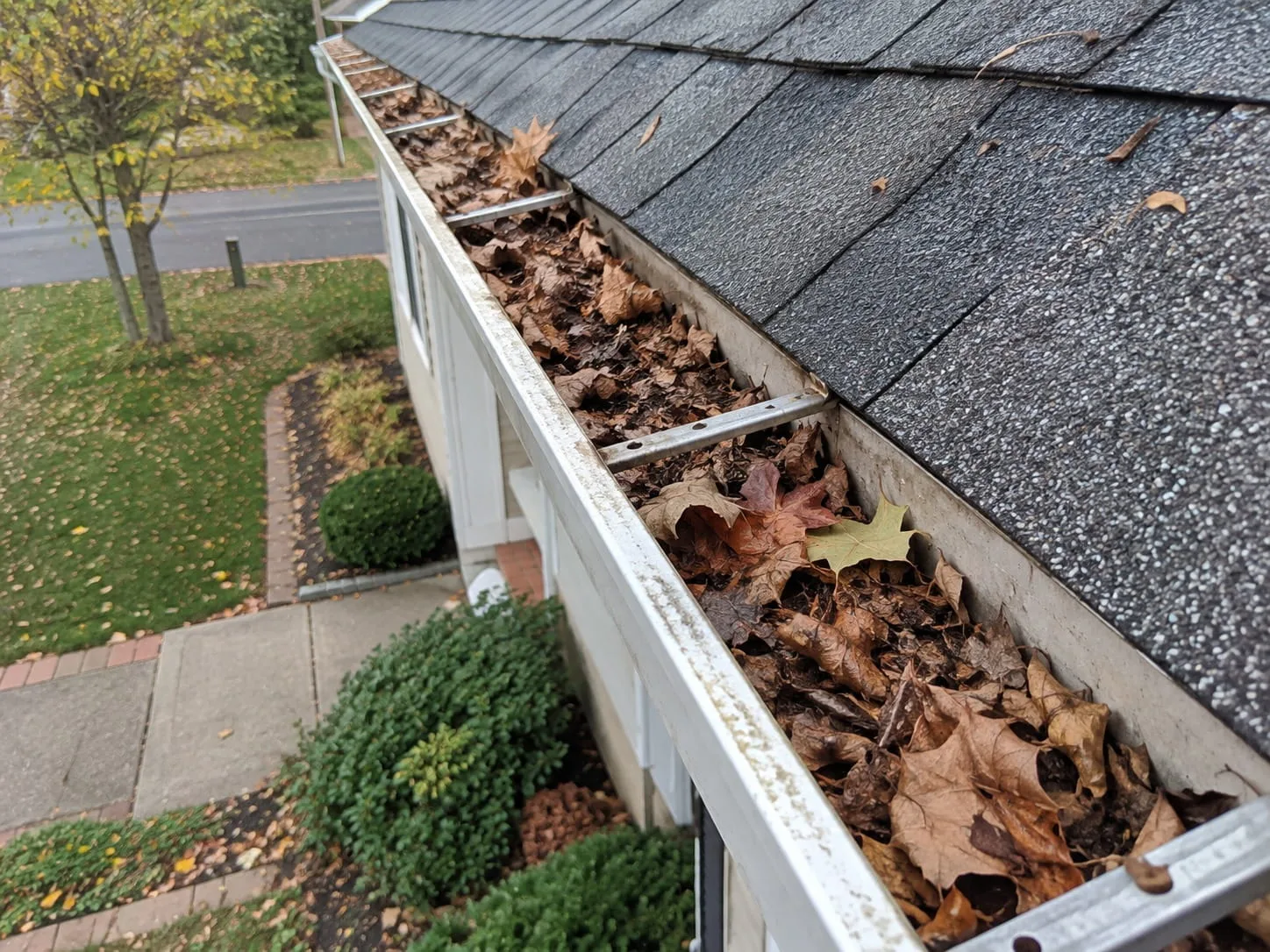
Gutters work quietly in the background, so most homeowners only think about them when water starts pouring over the edge or a stain appears on the ceiling. By then, the damage has usually begun. In West Auckland, where rainfall is heavy, bush is close and mature trees shade many properties, gutters fill with debris faster than in most other parts of the city.
So how often should you clean them? The short answer is at least twice a year, and more often if your home sits under trees or near native bush. This guide explains why, how to work out the right schedule for your property and what to look for between cleans.
The Short Answer
For most West Auckland homes, cleaning gutters twice a year is the minimum. A good pattern is once in late autumn, after the main leaf fall, and once in spring, to clear out winter debris, moss and seed material before the warmer months.
Homes in leafy or bush-covered areas such as Titirangi, Waiatarua, Laingholm, Oratia and Henderson Valley often need three or four cleans a year. Properties with large overhanging trees may need attention every couple of months during peak shedding periods.
If your home is in a more open suburb with few trees nearby, twice a year is generally enough. The key is to match the schedule to how quickly your gutters actually fill, not to follow a fixed calendar blindly.
Why Gutter Cleaning Matters So Much
A blocked gutter cannot do its job. Instead of carrying rainwater to the downpipes and stormwater system, it overflows, and that water goes places it should not.
Fascia and soffit damage. Water running over the edge soaks the timber fascia and soffits, causing rot, peeling paint and eventual structural repairs.
Leaks into the roof space. Standing water backs up under roofing edges and flashings, finding its way into ceilings and insulation.
Foundation and landscaping problems. Overflow pools around the base of the house, which can undermine foundations, damage paths and erode gardens, especially on West Auckland’s sloping sections.
Rust and premature failure. Wet leaves and sludge sitting in a steel gutter trap moisture against the metal, speeding up corrosion and shortening the life of the system.
Pests and mosquitoes. Stagnant water and rotting debris create breeding grounds for mosquitoes and attract rats and birds.
Regular cleaning costs a small fraction of the repairs that blocked gutters can cause.
What Affects How Often You Need to Clean
There is no single answer that fits every home. These factors determine how quickly your gutters build up debris.
Nearby trees. This is the biggest factor. Pōhutukawa, kōwhai, oak, liquidambar and many native trees drop leaves, flowers, seed pods and twigs year-round. Pine needles are especially troublesome because they pack tightly and are hard to flush.
Roof material and age. Older concrete tile and some aged metal roofs shed granules and moss that wash into the gutters. A roof covered in moss will keep feeding debris into your guttering.
Roof pitch and orientation. Low-pitch roofs hold debris longer, while steep roofs shed it quickly. Shaded, south-facing roof sections grow moss faster.
Gutter design. Shallow or narrow profiles clog more easily. Gutters with poor fall do not drain fully and keep a layer of sludge permanently in place.
Gutter guards. Quality guards reduce how often you need to clean, but they do not eliminate maintenance entirely.
Local weather. West Auckland’s wet winters and sudden storms bring large amounts of debris down at once, often right after strong wind.
A Suggested Cleaning Schedule
Use this as a starting point and adjust based on what you see.
- Low tree cover, open section: twice a year, in late autumn and spring.
- Moderate tree cover: three times a year, adding a mid-summer check.
- Heavy bush or large overhanging trees: every two to three months, with extra checks after storms.
- Coastal exposure (Piha, Karekare, Muriwai): twice a year, plus rinsing to remove salt build-up.
- Gutters fitted with guards: once or twice a year, with a quick inspection of the guards themselves.
If you are unsure, check your gutters after the first big autumn storm and again after winter. How full they are will tell you how often you need to repeat the job.
Warning Signs Your Gutters Need Cleaning Now
Do not wait for the calendar if you notice any of these.
- Water spilling over the edge during rain. This is the clearest sign of a blockage.
- Plants or weeds growing in the gutter. Seeds and soil have built up enough to support growth.
- Sagging gutters. Wet debris is heavy, and the weight can pull gutters away from the fascia.
- Streaks or stains on walls. Overflowing water leaves dark marks or green algae on cladding.
- Peeling paint or soft timber on fascias. Constant dampness is attacking the wood.
- Water pooling near the foundation. Overflow is landing in the same spot every storm.
- Birds, rodents or insects around the roofline. Debris creates shelter and food.
- Noisy or gurgling downpipes. Partial blockages in downpipes often sound before they are seen.
How to Clean Gutters Safely
Cleaning gutters is a straightforward job, but working at height carries real risks. Falls from ladders are among the most common household injuries in New Zealand.
If you decide to do it yourself, follow these steps.
- Use a stable, properly rated ladder on firm, level ground, and have someone hold it. Never lean sideways or overreach.
- Wear gloves and eye protection. Gutter debris can contain sharp twigs, bacteria and droppings.
- Scoop out the debris by hand or with a plastic gutter scoop, working toward the downpipe.
- Flush with a garden hose, starting at the end farthest from the downpipe, to clear fine silt.
- Check downpipes. Run water through them and confirm it drains freely. Clear blockages with a plumber’s snake or a hose.
- Inspect while you are there. Look for rust, loose brackets, cracked joints and sagging sections.
- Dispose of the waste properly, as green waste, rather than washing it into the stormwater drain.
Avoid pressure washers, which can force water behind the fascia and damage roofing. Never climb onto the roof itself unless you are trained and equipped to do so.
When to Hire a Professional
DIY cleaning is fine for single-storey homes with easy access. Professional help is the better choice in several situations.
- Two-storey homes or steep sites, where ladder work is risky.
- Roofs with delicate tiles or poor condition, where walking or leaning equipment can cause damage.
- Heavy blockages, tree roots in downpipes or compacted sludge, which need specialised tools.
- Signs of damage, such as leaks, rust or rotten fascia, which a professional can assess at the same visit.
- Time or mobility limits, where it is simply safer to hand the job over.
A professional clean also gives you a trained set of eyes on your roofline. Small problems such as failing flashings, loose brackets or early rust are picked up before they grow into expensive repairs.
Do Gutter Guards Reduce the Need to Clean?
Gutter guards, such as mesh covers, can significantly reduce the amount of leaves and large debris that enter your gutters. For many West Auckland homes under trees, they are a useful investment.
However, no guard is completely maintenance-free. Fine debris, roof grit, seeds and moss can still collect on or beneath them, and guards themselves need periodic brushing or rinsing. Poorly fitted guards can also trap water or cause overflow in heavy rain.
If you are considering guards, choose a quality product, have it fitted correctly and still plan on an annual inspection. We cover this topic in more detail in our guide to whether gutter guards really work.
Seasonal Gutter Care Calendar for West Auckland
Here is a simple year-round routine that suits local conditions.
Autumn (March to May). Clean after the main leaf drop and before the wettest months. Check brackets, joints and downpipes so the system is ready for winter.
Winter (June to August). Check after major storms. Look for overflow, sagging or leaks, and clear any blockages quickly, because wet weather makes problems escalate fast.
Spring (September to November). Do a full clean to remove winter sludge and blossom. Inspect fascias and paint for early signs of moisture damage.
Summer (December to February). Do a quick visual check, especially if you have trees dropping seed pods. Dry weather is a good time to schedule repairs or repainting.
Check After Every Major Storm
West Auckland weather can change quickly, and a single strong southwesterly can strip branches and fill gutters in an afternoon. After any major storm, take a few minutes to walk around the house and look for overflow marks, displaced gutter sections or debris hanging from the edge. Catching a blockage the same week costs almost nothing, whereas leaving it through the next downpour can mean water inside the walls.
The Cost of Neglecting Your Gutters
Gutter cleaning is one of the cheapest forms of home maintenance. A professional clean typically costs a small amount compared with repairing rotten fascias, replacing damaged soffits or dealing with water that has entered the ceiling.
Neglect also shortens the life of the gutters themselves. A steel gutter that sits full of wet debris for years will corrode far faster than one cleaned regularly, which can bring forward a replacement that might otherwise have been avoided for a decade or more.
Frequently Asked Questions
Is it okay to clean gutters only once a year? In low-debris areas it may be enough, but in most of West Auckland, twice a year is safer. Once a year often means gutters sit blocked for months.
When is the best time to clean gutters in Auckland? Late autumn and spring are the most useful times, with extra checks after storms.
Can blocked gutters cause leaks inside the house? Yes. Overflow and backed-up water can enter the roof space, soak insulation and cause ceiling stains and mould.
What if my gutters keep filling quickly? Consider trimming overhanging branches, fitting guards or upgrading to a larger profile with more downpipes.
Should I clean gutters before or after repainting the roof? Clean them first so debris does not fall onto fresh paint, then check again afterward.
Keep Your Gutters Working All Year
Regular gutter cleaning protects your fascias, roof, walls and foundations, and it is one of the simplest ways to avoid expensive repairs. In West Auckland’s wet, leafy conditions, a twice-yearly clean should be treated as the minimum.
West Auckland Roofing provides gutter cleaning, repair and replacement across the region. If your gutters are overflowing, sagging or leaking, or you would simply like a professional inspection, get in touch for a free quote and friendly advice.