Roofing Services

West Auckland Flat Roofing

Auckland Wide · Free Consultation

Low-Pitch Roofing

Flat Roofing West Auckland

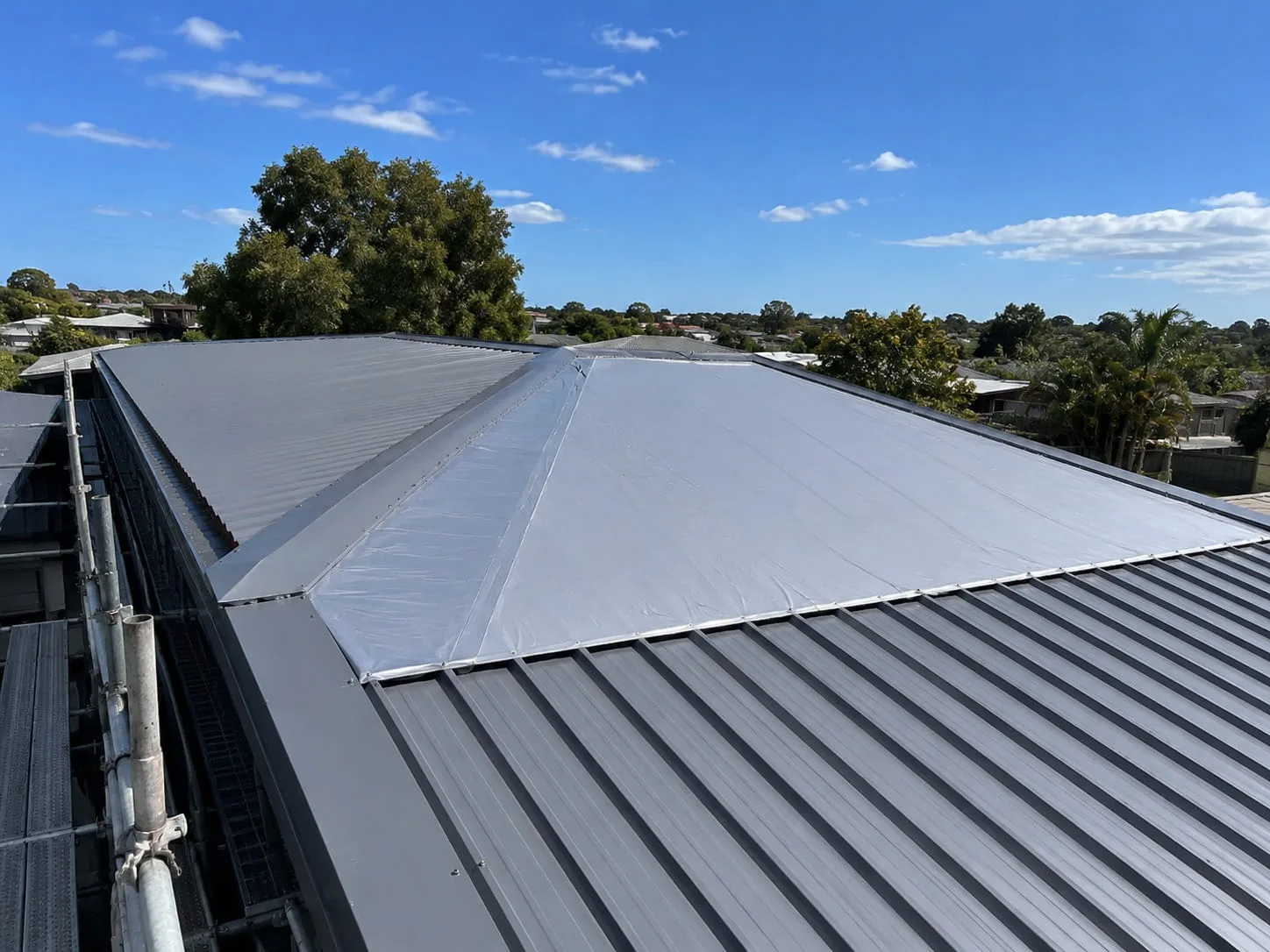
Flat roofs are never truly flat. A well-built one has a gentle fall that moves water steadily to outlets and gutters, and that small slope is what separates a dry roof from a slow leak. Much of the flat roofing in West Auckland covers low-pitch roofs on 1960s and 70s extensions and garages, along with architecturally designed homes in Titirangi and Hobsonville with skillion and near-flat sections.

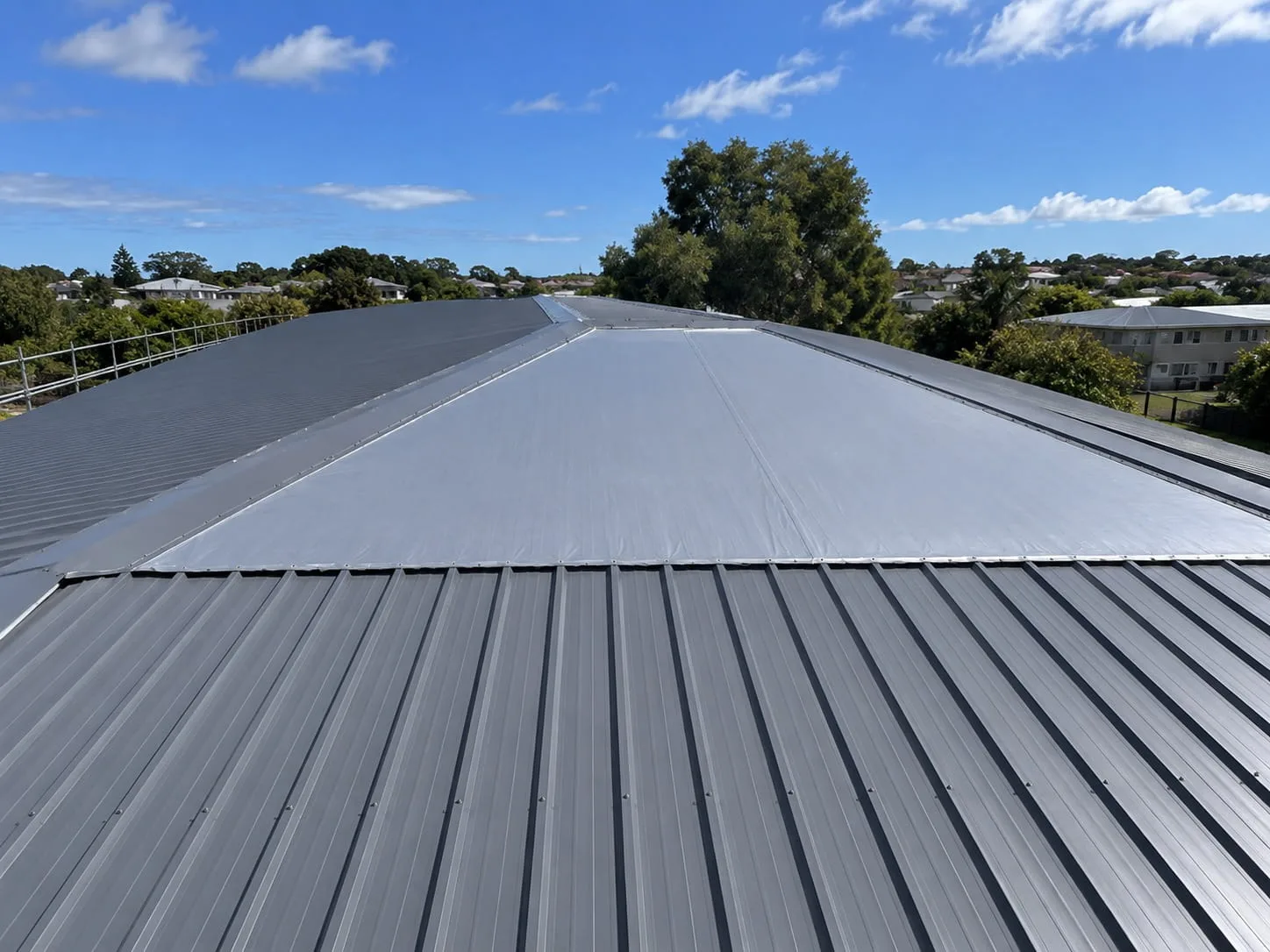
We install, repair and replace flat roofs using the material that suits the pitch. Below a certain angle that means a membrane such as torch-on, butyl or TPO; on shallow but pitched roofs, some long-run steel profiles are designed to work at low slopes when installed to the manufacturer's minimums. Choosing the wrong product for the pitch is a common reason flat roofs leak within a few years.

Whatever the material, the job comes down to drainage. We look closely at outlets, overflows, parapet cappings and any box gutters before quoting, because that is where most flat-roof problems begin. A single blocked outlet under a pōhutukawa can back water up against an upstand in one heavy shower. If a full system is the right call, our membrane roofing page explains the options in more detail.
Free Consultation

Get a Free Quote

No obligation. Tell us about your roofing project.

For urgent roof repair or reroofing questions, call 09 888 0409 after sending your details.

What We Offer

Flat Roofing Services in West Auckland

We handle every stage of flat and low-pitch roof work, from diagnosis through to a complete new roof.

01

New Flat Roof Installation

For extensions, garages and new builds we install flat roofs with correctly formed falls, suitable substrates and outlets sized for the catchment. We work from your plans and coordinate with builders so the roof, parapets and cladding junctions come together as one weathertight system.

02

Flat Roof Leak Investigation

Water on a flat roof can travel a long way before it shows on the ceiling. We trace leaks methodically, checking outlets, laps, upstands, parapet cappings and penetrations, so the repair targets the real cause rather than the spot where the stain appears.

03

Ponding and Fall Correction

Persistent ponding shortens a roof's life and can overload the structure. Where falls have sagged or were never adequate, we can re-form them with tapered firring or new substrate before the waterproofing goes back on, so water finally drains as it should.

04

Low-Pitch Metal Roofing

Some long-run steel profiles are designed for low pitches when fixed to manufacturer requirements. On suitable roofs we install these with long, unbroken sheets, appropriate end laps and careful flashing, giving a durable metal roof without stepping down to a membrane.

05

Parapet and Capping Repairs

Parapet walls are a weak point on many flat-roofed homes. Cappings without enough fall, unsealed joints and poorly finished membrane upstands let water into the wall framing. We repair or replace cappings and redetail the junctions so water is shed outward.

06

Flat Re-Roofing

When a flat roof is past repair, we remove the old covering, replace damaged substrate and install a new system matched to the pitch and use. It's also the right time to upgrade outlets, add overflows and improve insulation from above if access allows.

Signs Your Flat Roof Needs Attention

Flat roofs tend to fail quietly. Watch for water that sits on the surface more than a day or two after rain, blisters or soft spots underfoot, cracked or lifted laps, and moss or silt building up around outlets. Inside, brown ceiling stains, musty smells or paint bubbling on walls under a parapet are all signs moisture is getting in somewhere.

Because the damage often starts well before it shows inside, an inspection after a long wet spell is worth doing on any flat roof more than a few years old. We will check the drainage, the condition of the covering and the edge details, then give you a clear picture: what needs fixing now, what can wait, and what to keep an eye on.

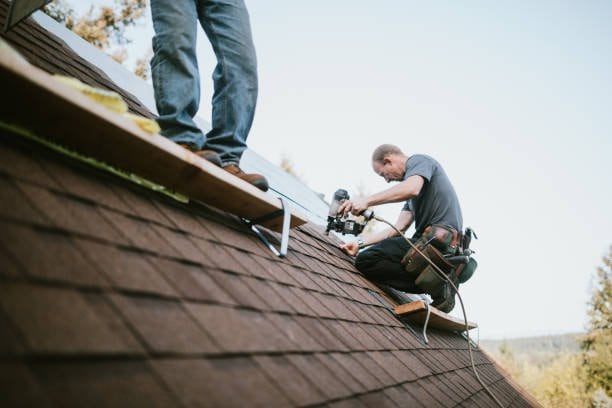
Inspecting a flat roof for ponding and wear in West Auckland
The West Auckland Roofing Standard

Why Choose Flat Roofing West Auckland

Drainage Comes First

We design and repair flat roofs around how water leaves them. Falls, outlets and overflows get as much attention as the waterproof layer itself, because a roof that drains quickly is a roof that lasts.

Right Material for the Pitch

Membrane or low-pitch metal, we match the roofing to the measured slope and the manufacturer's limits instead of forcing a product where it doesn't belong. That one decision prevents a lot of future leaks.

Thorough Leak Tracing

Flat-roof leaks travel along the substrate before they show inside. We follow the water back to its true entry point, so you are paying for one effective repair rather than several guesses.

Experience With Older Homes

West Auckland has many mid-century flat-roofed extensions, carports and garages. We understand how they were built, what materials were used at the time, and the problems they typically develop as they age.

Weathertight Detailing

Our work at parapets, cladding junctions and penetrations follows E2 weathertightness principles. Those details matter most on low-slope roofs, where water lingers on the surface long enough to exploit any small gap.

Clear, Free Quotes

You get a free quote that sets out what we found on the roof, what we recommend and exactly what's included, so you can make a decision without surprises once the work is underway.

Areas We Serve

We provide flat roofing across West Auckland, including Henderson, New Lynn, Te Atatū, Titirangi, Massey, Ranui, Glen Eden, and Kumeū.

If your suburb isn't listed, get in touch anyway — the list is a starting point, not a boundary. We work right across West Auckland and the wider Auckland region, so tell us where you are and what you need, and we'll confirm when we can get to you.

  • Henderson
  • New Lynn
  • Te Atatū
  • Titirangi
  • Massey
  • Ranui
  • Glen Eden
  • Kumeū
Roofing contractors serving suburbs across West Auckland
Common Questions

Frequently Asked Questions

Answers to the questions West Auckland homeowners ask us most about flat roofing.

What is the minimum pitch for a flat roof?

It depends on the material. Membranes are designed for very low slopes but still need a fall to drain, while long-run steel profiles each have a minimum pitch set by the manufacturer. We check your roof's actual slope before recommending a material.

Is a flat roof more likely to leak than a pitched one?

Water moves more slowly on a flat roof, so it has more time to find a weakness. A properly designed and installed flat roof performs well, but drainage, edge details and maintenance matter more than on a steeper roof.

How often should a flat roof be checked?

At least once a year, ideally after winter, and after any big storm. Clearing leaves and silt from outlets regularly is one of the simplest ways to extend a flat roof's life, especially under trees.

Can a flat roof be converted to a pitched roof?

It is possible, but it usually involves structural changes, design work and a building consent. In many cases, correcting the falls and installing a quality membrane solves the problem for far less disruption and cost.

Can you repair just the leaking section?

Often, yes, if the rest of the roof is in reasonable condition. If the covering is ageing everywhere or the substrate underneath is soft, a patch may only buy a short time, and we will explain that honestly.

Ready When You Are

Get Started With a Free Quote

Whether it's a ponding garage roof in Glen Eden or a leaking extension in New Lynn, we can help. Get in touch for a free flat roof assessment and quote. We will check how your roof drains, what condition the covering and substrate are in, and recommend the most sensible fix, whether that's a repair, a fall correction or a complete new roof.

Request a Free Quote Call 09 888 0409