
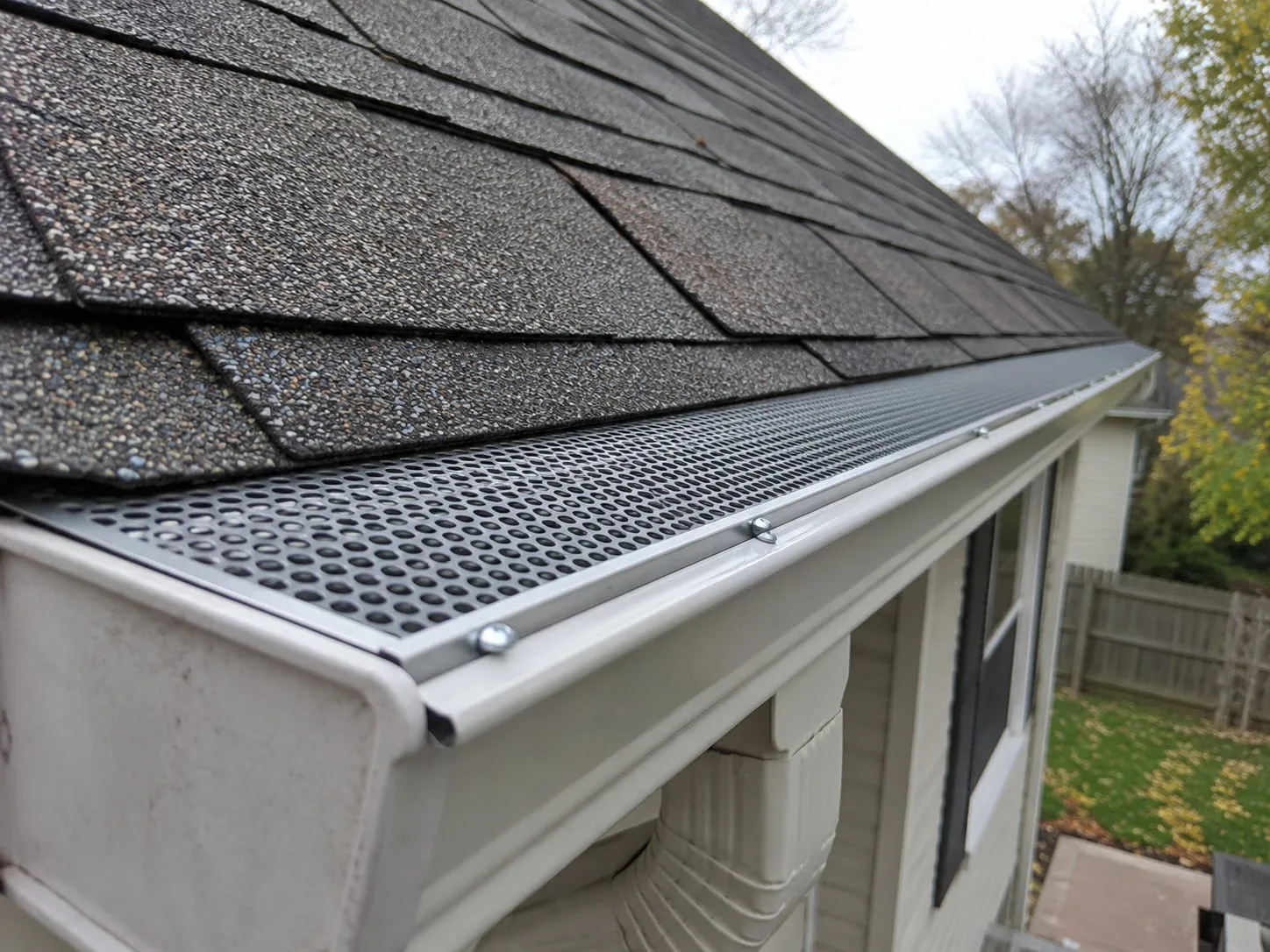
If you live near bush, under mature trees or simply grow tired of climbing a ladder every few months, gutter guards sound like an ideal solution. Fit a cover over your gutters, keep the leaves out and forget about cleaning for good. It is an appealing promise, but is it true?
The honest answer is that gutter guards do work, but not equally well, and not without limits. How effective they are depends on the type of guard, the quality of installation, your roof, your trees and your local conditions. This guide explains how gutter guards work, the main types, their real advantages and drawbacks, and whether they are worth it for West Auckland homes.
What Are Gutter Guards?
Gutter guards are covers or screens fitted over or inside your gutters. Their purpose is to let rainwater flow in while keeping leaves, twigs, seed pods and other debris out. Less debris in the gutter means fewer blockages, less overflow and less frequent cleaning.
They come in several designs, from simple mesh screens to more complex covers that guide water around a curved edge. Some clip onto the gutter edge, some slide under the roofing and others sit within the gutter channel. The right choice depends on your roof type, gutter profile and the kind of debris you need to keep out.
How Gutter Guards Work
Most guards rely on one of three principles.
Filtering. A mesh or perforated screen allows water through while blocking debris larger than the holes. This is the most common design.
Surface tension. Curved or solid covers use the way water clings to a surface to guide it around a rounded edge and into a narrow slot, while leaves and larger debris fall off the front.
Brush or foam inserts. Bristles or foam sit inside the gutter, allowing water to pass while holding leaves above the channel.
Each approach has strengths and weaknesses, which is why no single guard is perfect for every home.
Main Types of Gutter Guards
Mesh guards. Stainless steel, aluminium or plastic mesh covers are widely used and generally affordable. Fine mesh blocks smaller debris, including seeds and fine leaves, but can clog on the surface if not cleared. Coarser mesh lets more through but sheds water better.
Perforated or punched metal guards. These are rigid sheets with holes or slots. They are sturdy and handle heavy rain well, but small debris can still enter and gradually accumulate.
Solid or reverse-curve covers. These cover the gutter completely, with a narrow opening at the front. They work well against leaves but can struggle in very heavy downpours, where water may overshoot the gutter.
Brush and foam inserts. These are low-cost and easy to install, but they can trap debris within the bristles or foam and may need frequent cleaning or replacing.
Leaf-catching downpipe filters. Used with or instead of full guards, these protect downpipes from blockages at the outlet.
The Real Benefits of Gutter Guards
When properly chosen and installed, guards deliver genuine advantages.
Less frequent cleaning. Guards can dramatically reduce the amount of large debris entering your gutters, so you clean less often and spend less time on ladders, which also lowers your safety risk.
Fewer blockages and overflows. Keeping leaves and twigs out reduces the chance of clogged downpipes and water spilling over the edge.
Protection for fascia and foundations. Fewer overflows mean less moisture damage to fascias, soffits, walls and the ground around your home.
Less pest and mosquito habitat. Without wet debris sitting in the channel, there are fewer places for mosquitoes to breed and for birds or rodents to nest.
Reduced fire and moss risk. In some situations, keeping dry leaves out of gutters reduces the fuel load near the house and helps prevent moss growth in the channel.
The Limitations Nobody Likes to Mention
Marketing often presents gutter guards as maintenance-free. In practice, that is not the case.
Fine debris still gets through. Seeds, pollen, roof grit and the fine particles that wash off tiles and moss can pass through many guards and settle in the gutter, building up over time.
Guards can clog on top. Leaves can lie flat across mesh, and moss or lichen can grow on the surface, reducing water flow. Guards then need to be brushed or rinsed.
They can cause overflow in heavy rain. In intense West Auckland downpours, water may run over solid or poorly designed guards rather than into the gutter, especially on steep roofs with large catchments.
Some designs trap debris underneath. If a guard is poorly fitted, debris can collect below it where you cannot see it, hiding problems until the gutter fails.
Installation matters. Badly fitted guards can lift in wind, sag, trap water or affect roof warranties if fixed under roofing incorrectly.
They add cost. Guards are usually priced per metre and can add a significant amount to a gutter project.
In short, guards reduce maintenance, but they do not eliminate it.
Do Gutter Guards Work in West Auckland?
West Auckland is one of the more demanding environments for gutters, and that shapes how well guards perform.
Bush and large trees. In suburbs such as Titirangi, Waiatarua, Laingholm and Oratia, falling leaves, twigs and flowers are constant. A quality guard can keep most of it out of the gutter, which is where guards deliver the most value.
Fine debris and moss. Many West Auckland roofs shed moss, lichen and fine organic matter. These can build up on or beneath guards, so an annual rinse or brush is still needed.
Heavy rainfall. The region’s intense rain means guards must be properly designed to handle high flow. Poor choices can lead to overshoot or overflow during storms.
Coastal exposure. Near Piha, Muriwai and other coastal areas, salt spray can corrode cheap materials. Stainless steel or marine-grade aluminium guards are better suited to these conditions.
Pine and fine-needled trees. Pine needles are difficult for many guards, because they can slip through mesh or lie across it. If you have pines nearby, discuss this specifically with your installer.
For many West Auckland homes, especially those surrounded by trees, gutter guards are worth considering, as long as expectations are realistic.
How Much Do Gutter Guards Cost?
Guard prices vary with the type, material and access. Basic mesh and brush products sit at the lower end, while stainless steel mesh systems and professionally fitted covers cost more. Installed prices are typically quoted per metre, and for an average home the total can run into the high hundreds or low thousands of dollars.
When weighing the cost, consider what you currently spend on cleaning, how often you need it and what the cost of overflow damage could be. If guards cut your cleaning frequency from four times a year to once, they may pay for themselves over several years. If your home has few trees nearby, the savings may be too small to justify the expense.
Are Gutter Guards Worth It?
They are likely worth it if:
- Your property is surrounded by trees or bush.
- You have two-storey sections or steep roofs where cleaning is difficult or dangerous.
- You are replacing your gutters anyway and can add guards at the same time.
- You are prepared to do a light annual check and rinse.
- Blocked gutters have caused problems in the past.
They may not be worth it if:
- You have few trees and your gutters rarely block.
- Your gutters are old, sagging or leaking, in which case repair or replacement should come first.
- You expect completely maintenance-free performance.
- Your main debris comes from fine roof grit or pine needles that the guard will not stop.
Tips for Choosing and Installing Gutter Guards
- Fix the gutters first. Guards will not cure sagging, leaking or rusted gutters, and they can hide problems.
- Match the guard to your debris. Ask which design works best for your trees and roof type.
- Choose quality materials. Stainless steel and powder-coated or marine-grade aluminium last longer than thin plastic.
- Check roof warranty and compatibility. Make sure fixings do not void your roofing warranty or damage roofing edges.
- Have them professionally fitted. Correct fit, angle and fixing are crucial for performance.
- Plan for maintenance. Even the best guards benefit from an annual inspection and rinse.
- Check the downpipes. A guard is of little use if the downpipes are undersized or blocked.
Gutter Guards vs Regular Cleaning: A Practical Comparison
| Factor | Gutter guards | Regular cleaning only |
|---|---|---|
| Upfront cost | Moderate to high | Low |
| Ongoing effort | Light, occasional | Frequent |
| Risk of blockages | Lower | Higher without discipline |
| Ladder work | Less often | Several times a year |
| Fine debris | Can still accumulate | Removed every clean |
| Overflow in storms | Depends on design | Depends on cleanliness |
Many homeowners find the best answer is a combination: quality guards to keep out the bulk of debris, plus a yearly inspection to make sure everything is working.
How to Look After Gutter Guards
Guards perform best when you give them a little attention. Once a year, brush off any leaves, moss or grit sitting on the surface and rinse the guard with a garden hose. Lift a small section and check the gutter beneath for silt or fine debris, then confirm that the downpipes are flowing freely. After heavy storms, look for displaced sections or signs of overshoot. This five-minute routine keeps the system working and protects your investment.
Frequently Asked Questions
Do gutter guards really stop leaves? Good guards stop most leaves and larger debris, but fine particles and seeds can still pass through some designs.
Do I still need to clean my gutters with guards? Yes, but much less often. An annual check and rinse is usually sufficient for most homes.
Can gutter guards cause overflow? Poorly designed or installed guards can, especially during heavy rain or on steep roofs.
Will gutter guards damage my roof? Properly installed guards should not, but incorrect fixing under roofing can affect warranties, so always check first.
Can guards be fitted to old gutters? They can, but it is wiser to repair or replace damaged gutters first, because guards will not fix underlying faults.
Talk to a Local Roofing Specialist
Gutter guards can be a smart upgrade for West Auckland homes, but they are not a magic fix. The right product, correctly fitted to sound gutters, can save you time, reduce risk and protect your home. The wrong one can create new problems.
West Auckland Roofing can inspect your gutters, recommend whether guards make sense for your property and install them as part of a repair or replacement. Contact the team for a free quote and practical advice that suits your home and your trees.